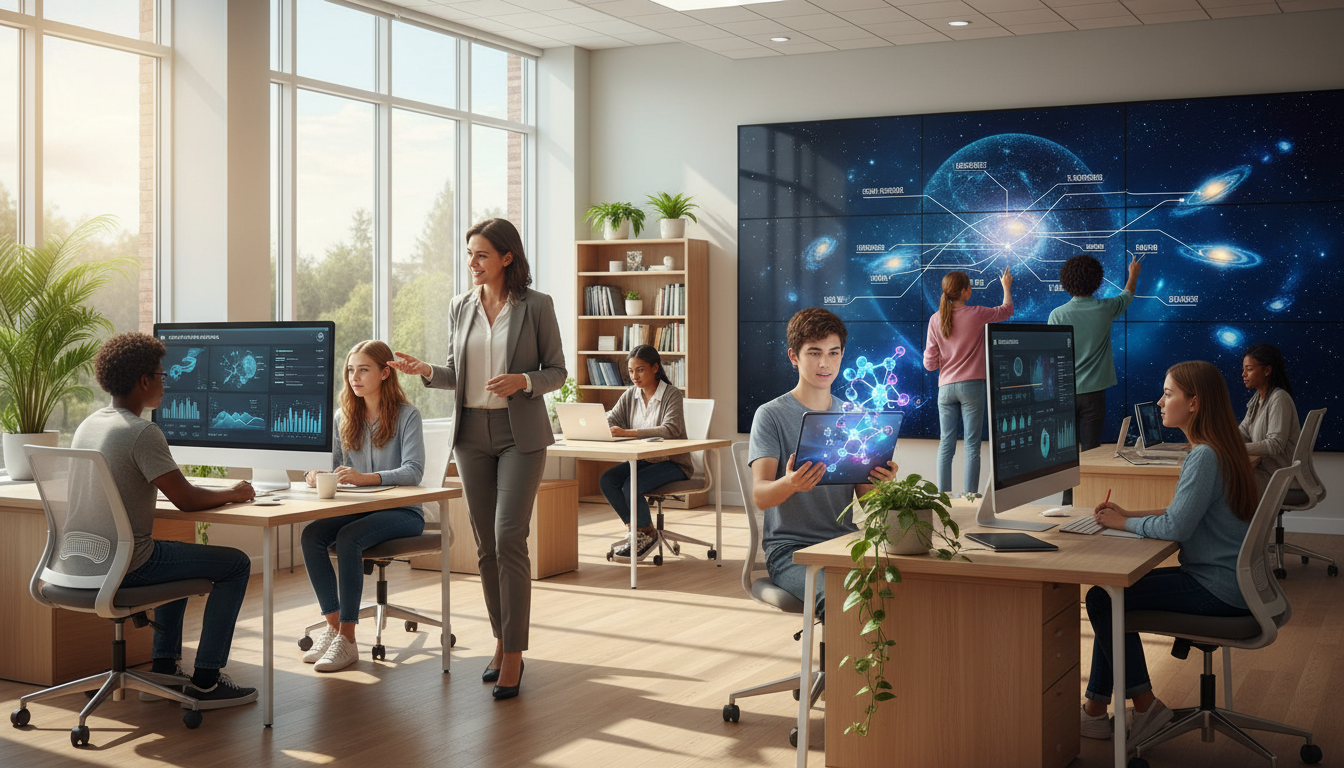
Virtual Reality in Children's Education: Innovative Trends and Benefits


Introduction to Virtual Reality in Education
Virtual Reality (VR) is transforming the landscape of education, offering immersive experiences that enhance learning, especially for children. By providing interactive and engaging environments, VR has the potential to make education more appealing and effective.
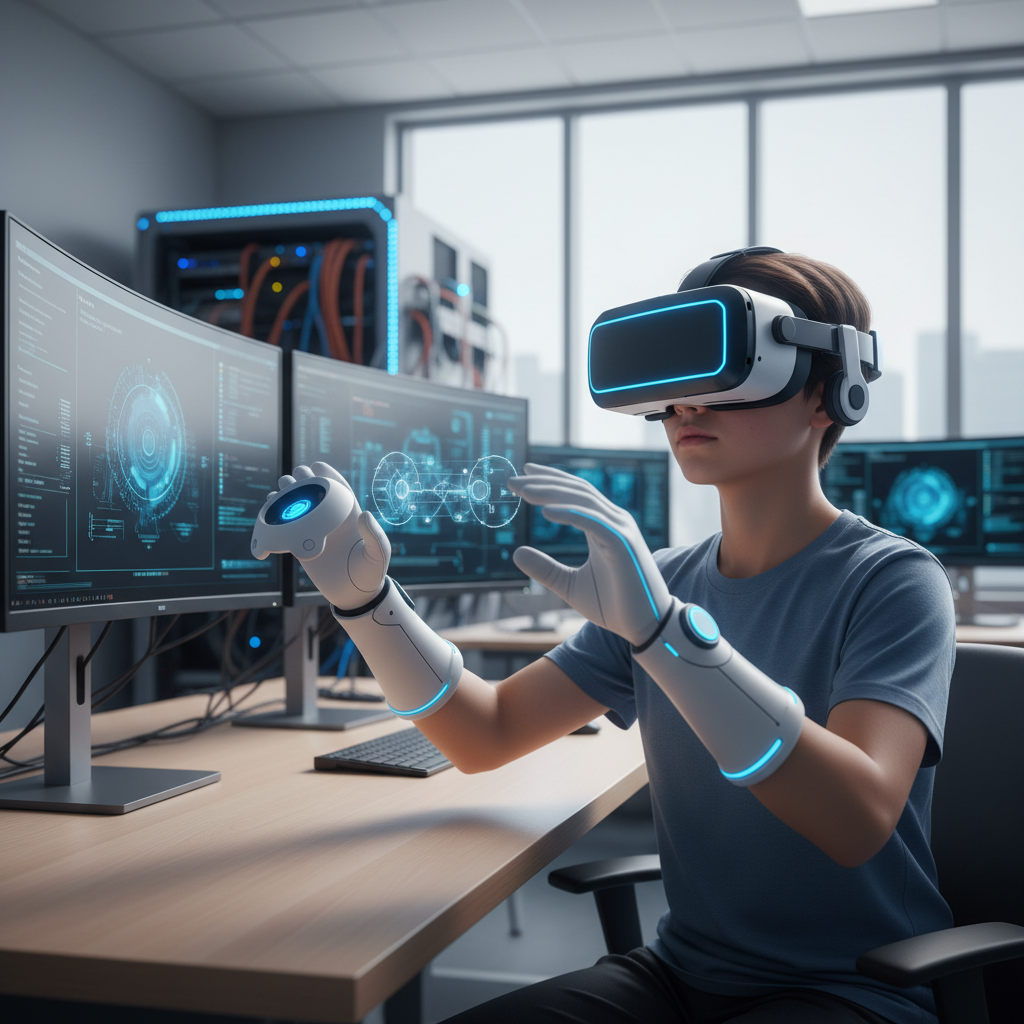
How VR Supports Interactive Learning
One of the key benefits of VR in education is its ability to create interactive learning experiences. Traditional methods can often be passive, but VR encourages active participation by immersing students in a virtual environment where they can explore and interact with the content.
Engagement through Immersion
VR captivates students by placing them in the middle of the learning experience. Whether it's exploring the solar system or diving into the depths of the ocean, VR makes learning exciting. This level of engagement helps students retain information better and fosters a love for learning.
Personalized Learning Experiences
VR technology allows for personalized learning experiences tailored to individual needs and preferences. Students can learn at their own pace, revisiting complex topics as needed. This flexibility is especially beneficial for children with different learning styles.
Addressing Diverse Learning Styles
Every child learns differently, and VR can accommodate a range of learning styles. For visual learners, VR offers vivid imagery, while kinesthetic learners benefit from interactive, hands-on activities. This adaptability makes VR a versatile tool in education.

Real-World Applications and Skills
VR not only enhances theoretical learning but also provides opportunities to practice real-world skills. From conducting virtual science experiments to practicing public speaking in a simulated environment, students gain practical experience that prepares them for future challenges.
Building Confidence and Competence
By allowing students to experiment in a risk-free environment, VR builds confidence and competence. Children can practice tasks repeatedly until they master them, boosting their self-esteem and readiness for real-world applications.
Conclusion: The Future of VR in Education
The integration of VR into children's education is just beginning, but its potential is vast. As technology continues to evolve, VR will likely become an integral part of educational curricula, offering innovative and effective learning solutions that inspire and educate the next generation.