
The Role of Solar Energy Projects in Children's Education


The Impact of Solar Energy on Educational Environments
Solar energy projects are transforming educational environments worldwide. By providing schools with a sustainable and cost-effective energy source, these projects not only reduce operational costs but also create a more engaging and interactive learning environment for students. Schools can redirect savings from energy bills towards educational resources, enhancing the overall quality of education.
Educational Benefits of Solar Energy
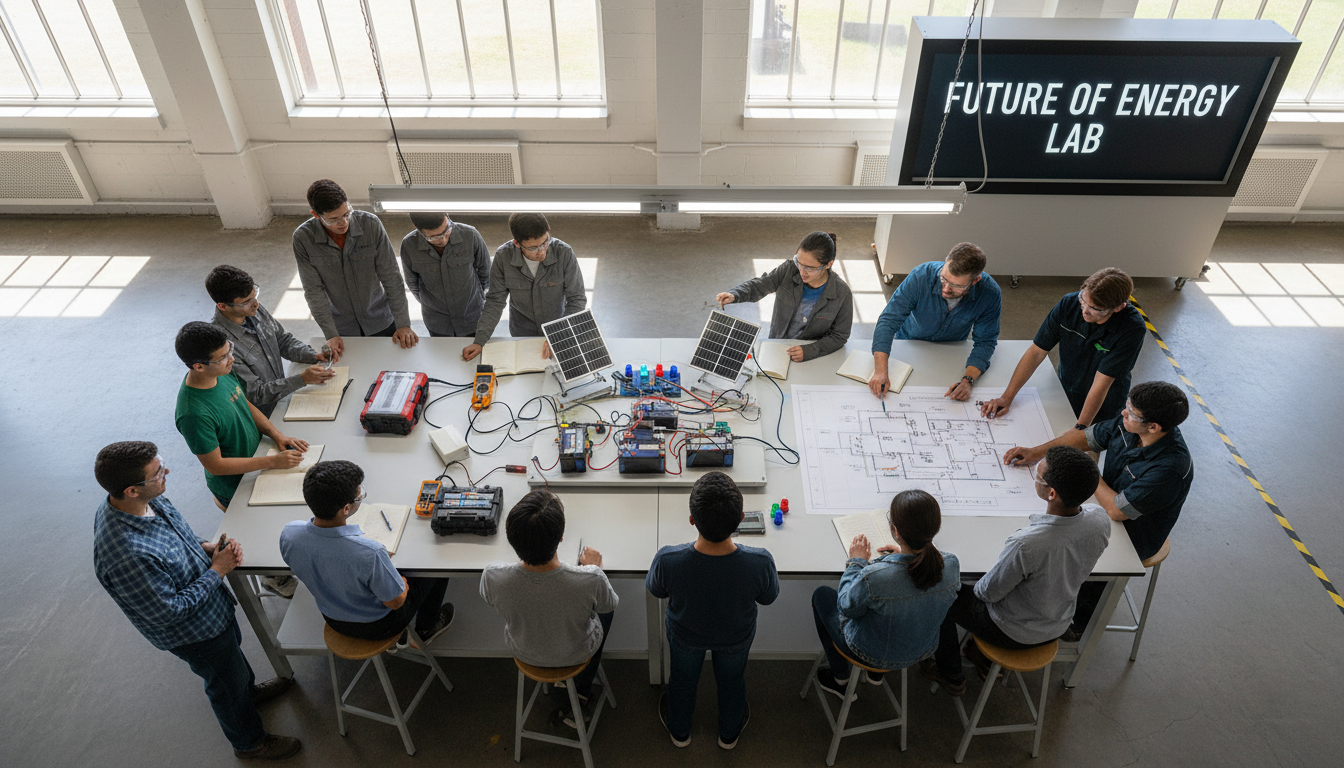
Integrating solar energy into schools offers numerous educational benefits. These projects serve as practical teaching tools, allowing students to learn about renewable energy technology firsthand. By incorporating solar energy systems into the curriculum, educators can provide students with a deeper understanding of science, technology, engineering, and mathematics (STEM) subjects.
Moreover, students can engage in hands-on learning by analyzing the energy output from solar panels, understanding energy consumption, and exploring the environmental impact of renewable energy. This practical experience can ignite a passion for science and technology, encouraging students to pursue careers in these fields.

Encouraging Environmental Responsibility
Solar energy projects in schools also play a crucial role in promoting environmental responsibility among young learners. Students witness the direct impact of renewable energy on their community, fostering a sense of accountability and stewardship for the environment. This awareness can lead to more eco-conscious behavior both in and out of the classroom.
Programs and workshops centered around solar energy can help students understand the importance of reducing carbon footprints and conserving resources. By instilling these values early, educators can nurture a generation committed to sustainability.

Community Engagement and Support
Implementing solar energy projects in educational institutions often involves community engagement. Parents, teachers, and local businesses can collaborate to support these initiatives, creating a sense of unity and shared purpose. Community involvement not only eases the implementation process but also enhances the educational experience for students.
Furthermore, schools can organize community events to showcase their solar projects, allowing students to present their findings and educate others about the benefits of renewable energy. This not only reinforces their learning but also strengthens community bonds.
Long-term Economic Advantages
From an economic perspective, solar energy projects in schools offer long-term advantages. By reducing energy costs, schools can allocate more funds to improve educational facilities, hire additional staff, and invest in advanced teaching tools. In the long run, this can lead to higher educational standards and better opportunities for students.
Additionally, by demonstrating financial responsibility and innovation, schools can attract more support from government bodies and private organizations, leading to further improvements in educational infrastructure.

Conclusion: A Bright Future with Solar Energy
The role of solar energy projects in children's education is multifaceted, encompassing environmental, educational, and economic benefits. By investing in these projects, schools not only enhance the learning experience but also contribute to a more sustainable future. As more institutions embrace renewable energy, the positive impact on education and the environment will continue to grow.