
The Future of Learning: Integrating 3D Printing in Education


The Transformation of Education Through 3D Printing
The landscape of education is rapidly evolving, with new technologies making their way into the classroom. Among these, 3D printing stands out as a transformative tool that offers endless possibilities for both educators and students. By integrating 3D printing into educational settings, we are not only enhancing the learning experience but also preparing students for a future where innovation and creativity are key.
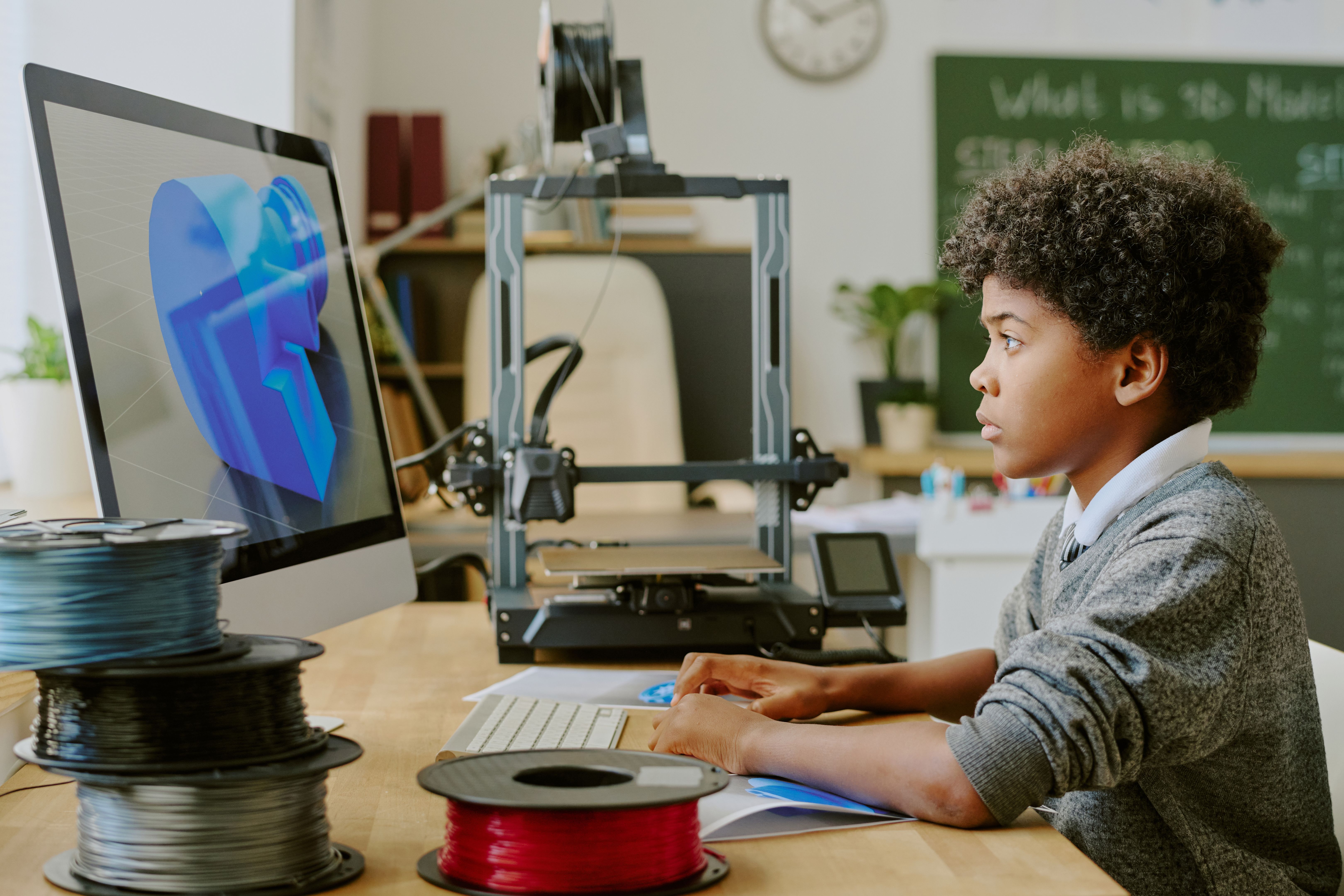
3D printing allows students to turn abstract concepts into tangible objects, bridging the gap between theory and practice. This capability can significantly enhance understanding in subjects such as mathematics, engineering, and the sciences. Imagine a biology class where students can print and study the intricate structure of a DNA molecule or a history lesson where ancient artifacts are recreated for hands-on exploration.
Enhancing STEM Education
In recent years, there has been a strong emphasis on STEM (Science, Technology, Engineering, and Mathematics) education. 3D printing is a powerful ally in this endeavor, providing a hands-on approach that promotes problem-solving and critical thinking skills. Students can design and prototype their own creations, learning valuable lessons in trial and error, collaboration, and innovation.
The integration of 3D printing in STEM subjects can be particularly beneficial for visual and kinesthetic learners who thrive on interaction and manipulation of physical objects. By engaging with materials they can touch and see, these students can better grasp complex concepts and retain information more effectively.
Fostering Creativity and Innovation
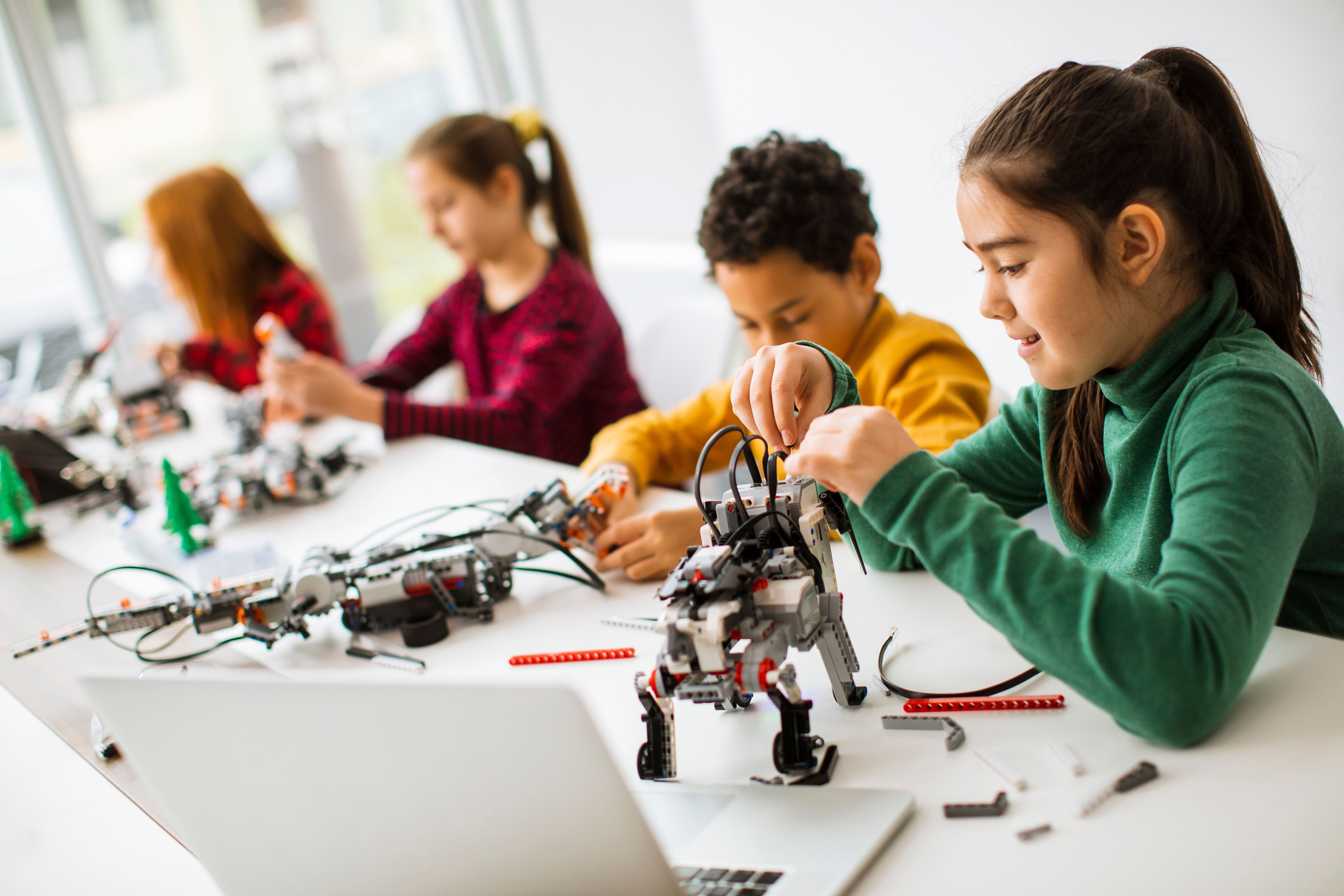
Beyond STEM, 3D printing also opens up new avenues for creativity in the arts and design fields. Students can explore their artistic talents by creating sculptures, models, and other artistic projects. This encourages out-of-the-box thinking and nurtures a spirit of innovation.
Moreover, by involving students in the design process, educators can foster an entrepreneurial mindset. Students learn to iterate on their ideas, adapt to challenges, and think critically about the end-user experience. These skills are invaluable, regardless of the career path they choose to pursue.
Practical Implementation and Challenges
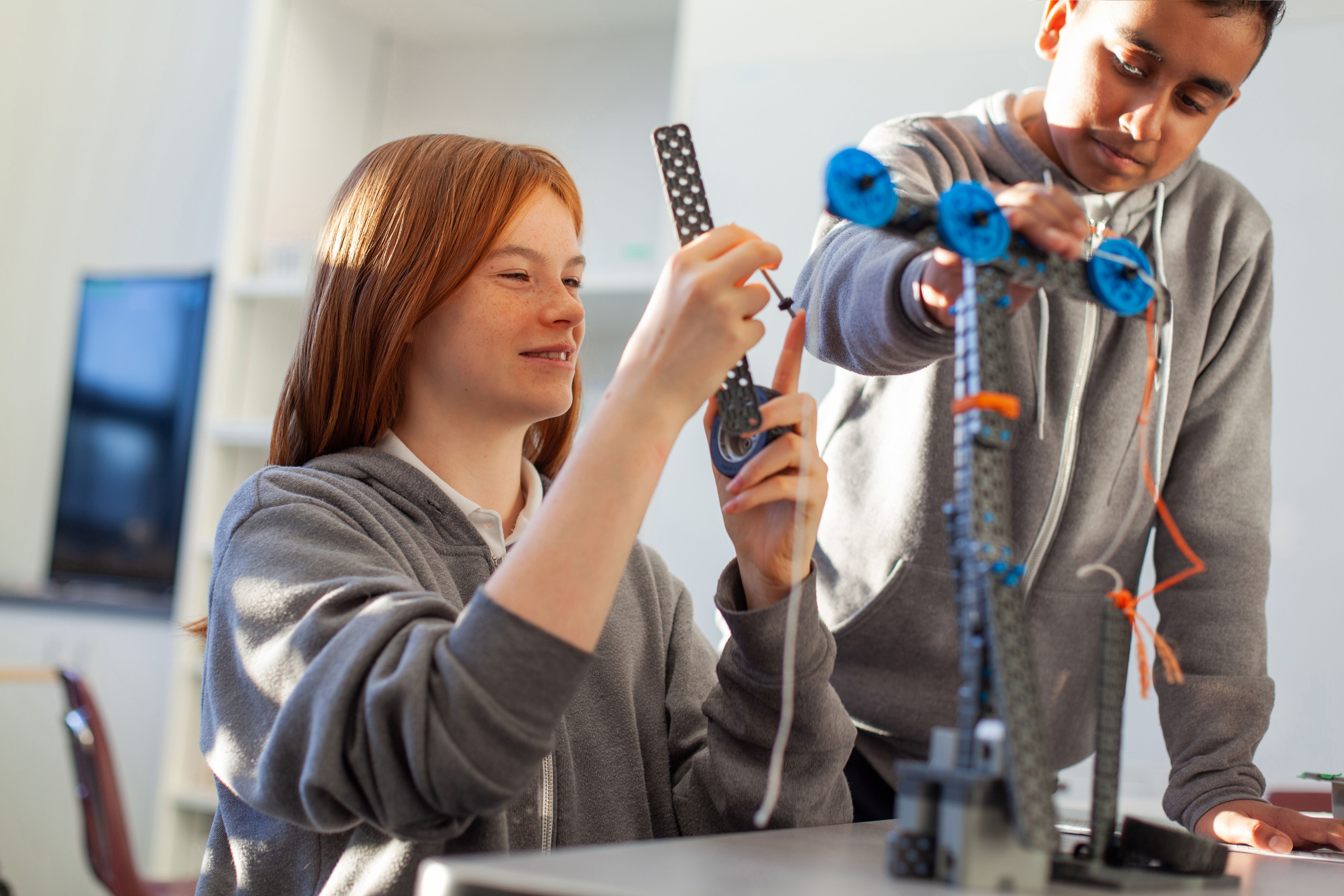
While the benefits of 3D printing in education are clear, there are practical considerations to address. Schools must invest in the necessary technology and training to effectively integrate 3D printing into their curricula. This includes purchasing printers, materials, and software, as well as providing professional development for teachers.
Despite these challenges, many educational institutions are finding ways to incorporate 3D printing successfully. Partnerships with local businesses and organizations can provide additional resources and expertise, ensuring that students have access to the best possible learning experiences.
The Future of Learning
As we look to the future, the role of 3D printing in education is only expected to grow. With advancements in technology making 3D printing more accessible and affordable, it is likely to become a staple in classrooms worldwide. This evolution will empower students to become not only consumers of information but also creators and innovators.
By embracing 3D printing, educators can provide a more engaging, relevant, and impactful learning experience. As we continue to explore the potential of this technology, we are paving the way for a new era of education that is dynamic, interactive, and full of possibilities.