
How Virtual Reality Workshops Inspire Creativity in Children


The Power of Virtual Reality in Education
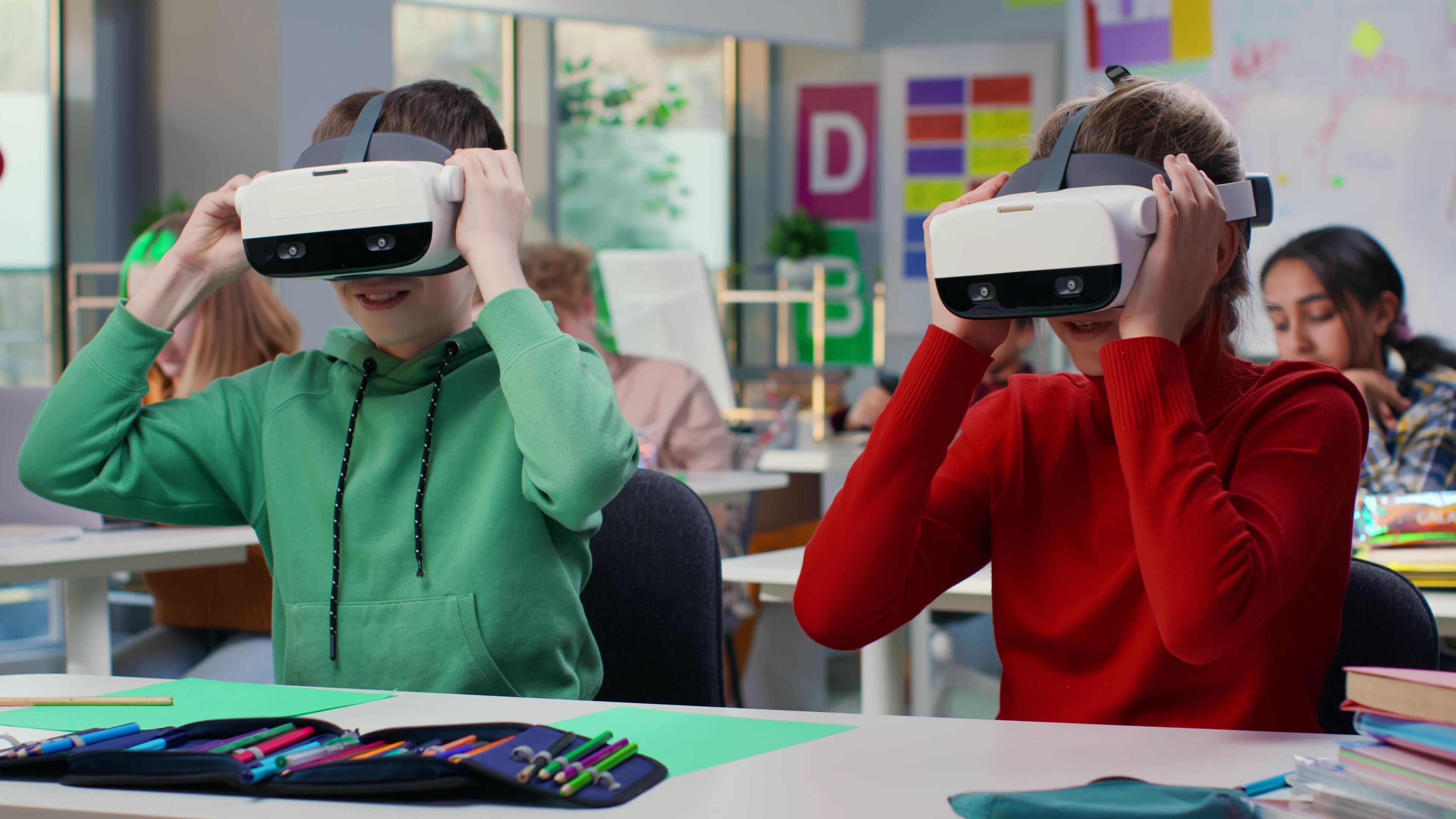
Virtual reality (VR) is revolutionizing the way children learn by providing immersive experiences that inspire creativity and innovation. This technology allows students to explore new worlds, interact with different environments, and engage in hands-on activities without leaving the classroom.
By incorporating VR workshops into educational settings, children are not just passive recipients of information. Instead, they become active participants in their learning journey, which fosters a deeper understanding and appreciation of the subjects they study.
Enhancing Imagination Through Immersive Experiences
One of the most significant benefits of VR workshops is their ability to enhance a child's imagination. By transporting students to different times, places, and even fictional worlds, VR helps them visualize concepts and ideas that would otherwise be abstract.
For example, in a history class, students can walk through ancient cities, witnessing historical events firsthand. This immersive experience makes learning more engaging and memorable, sparking curiosity and encouraging a lifelong love of learning.
Encouraging Collaboration and Teamwork
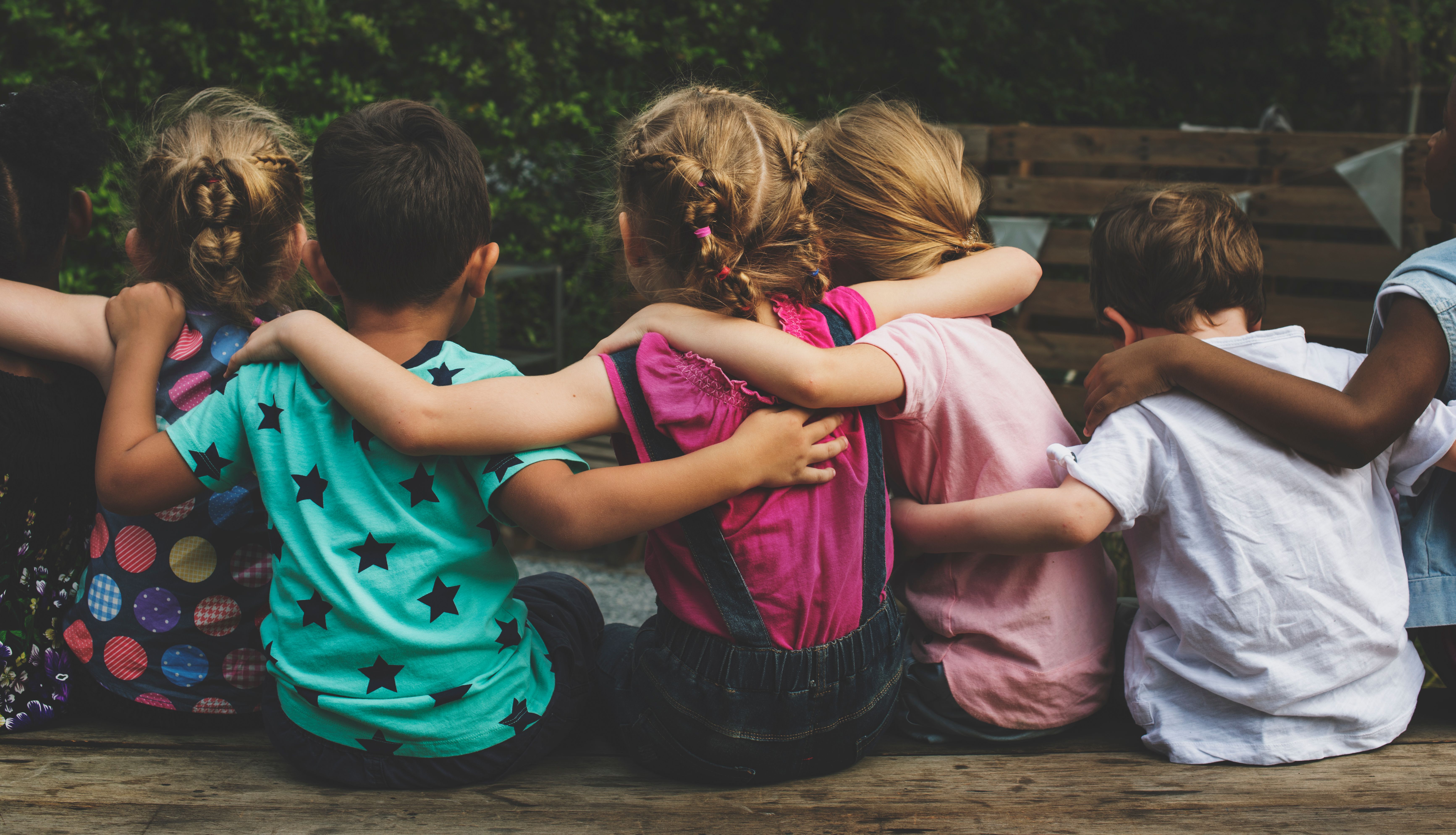
VR workshops often involve collaborative activities that require teamwork and communication. Children work together to solve problems, complete tasks, and create projects within a virtual environment.
This collaborative aspect of VR not only develops social skills but also teaches children the importance of diverse perspectives and ideas. By working together, students learn to appreciate different viewpoints, leading to more innovative and creative solutions.
Developing Critical Thinking Skills
Virtual reality workshops challenge children to think critically and solve complex problems. By presenting scenarios that require strategic thinking, VR encourages students to analyze situations, make decisions, and reflect on the outcomes.
This process helps children develop essential critical thinking skills that are crucial for their future success. Whether it's navigating a virtual maze or working on a collaborative project, the problem-solving opportunities are endless.
Customizing Learning Experiences
One of the unique advantages of VR is its ability to provide personalized learning experiences. Educators can tailor VR workshops to meet the individual needs and interests of each student, ensuring that every child is engaged and challenged appropriately.
This customization fosters a more inclusive learning environment, where children of all abilities can thrive and express their creativity. The adaptability of VR makes it an invaluable tool in modern education.
The Future of Creativity in Education
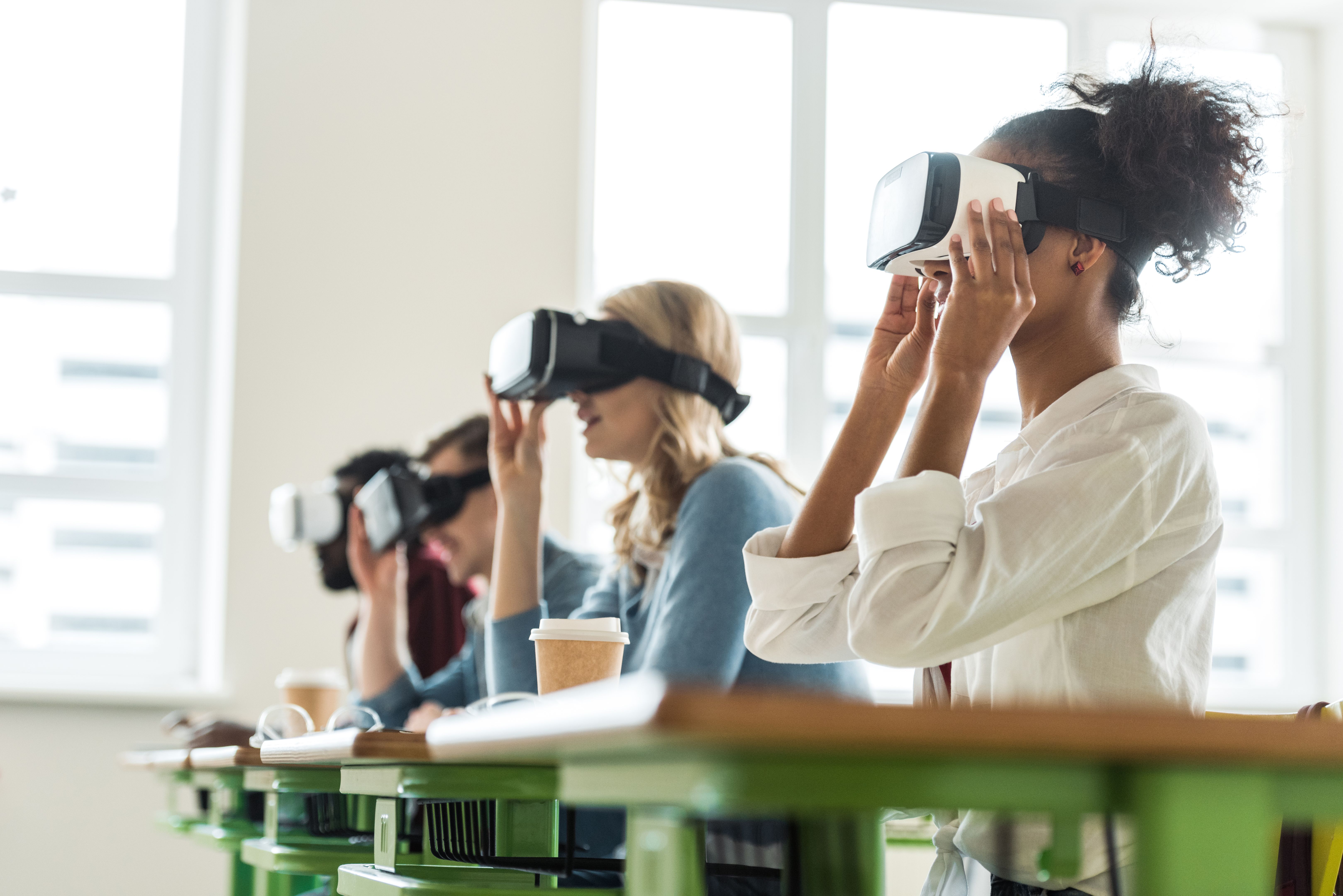
As technology continues to evolve, the potential for VR in education is limitless. By inspiring creativity and innovation, VR workshops are preparing children for a future where these skills are increasingly valuable.
With the right tools and support, educators can harness the power of VR to transform the educational landscape, making learning more exciting, relevant, and impactful for the next generation.