
Harnessing Solar Power: Teaching Kids About Sustainable Energy


Introduction to Solar Power
Teaching kids about sustainable energy is a vital step toward a greener future. One of the most accessible forms of renewable energy is solar power. By introducing children to the basics of solar energy, we can inspire them to become environmentally conscious individuals.
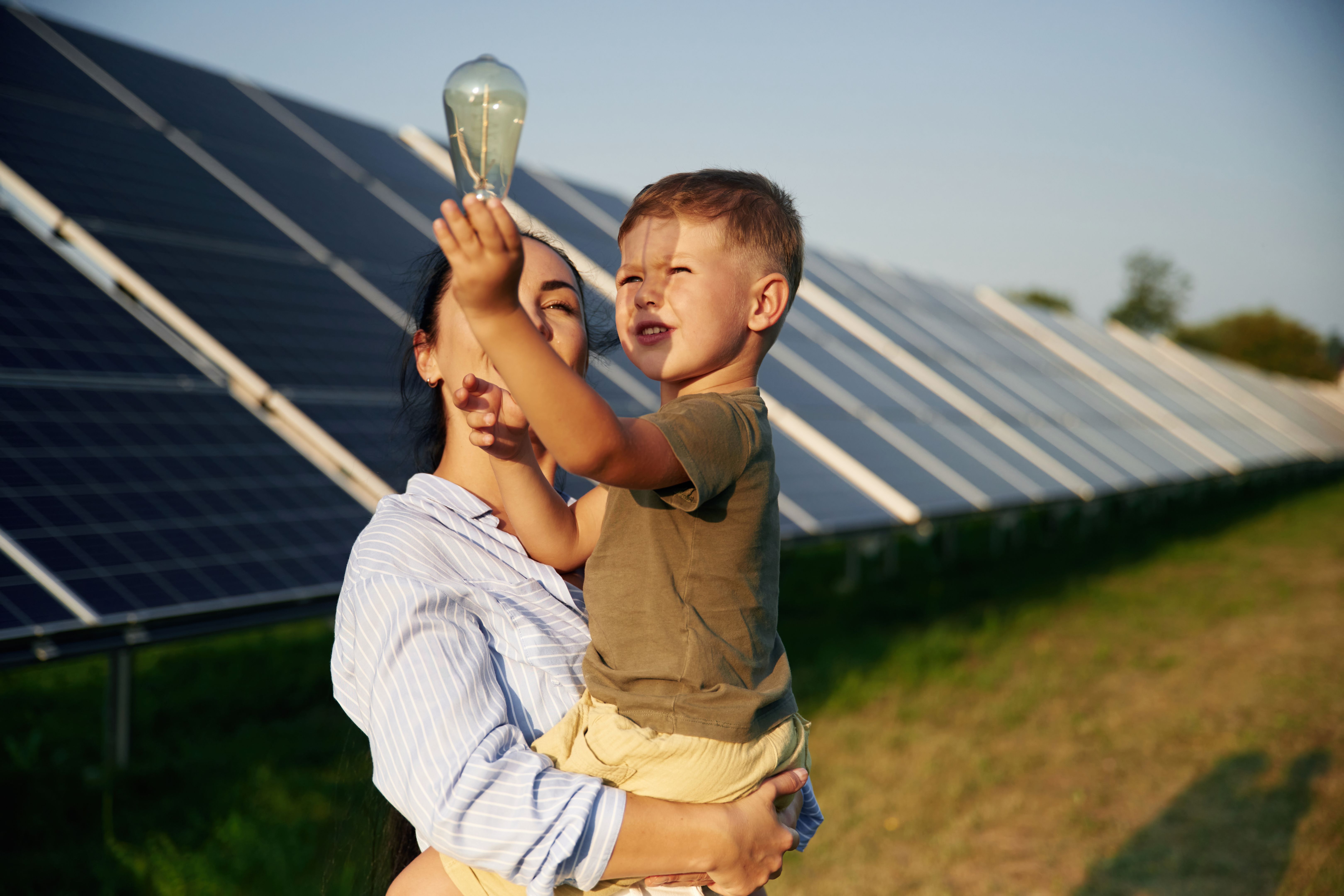
What is Solar Power?
Solar power harnesses energy from the sun using photovoltaic cells. These cells convert sunlight into electricity, a process that is both clean and sustainable. Unlike fossil fuels, solar energy does not emit harmful pollutants, making it an environmentally friendly choice.
Why Teach Kids About Solar Energy?
Educating children about solar power helps them understand the importance of renewable energy. It opens their minds to alternative energy sources and encourages innovative thinking. By learning early, kids can develop habits that promote sustainability throughout their lives.
Fun Ways to Introduce Solar Energy
Engaging children with fun activities can make learning about solar power exciting. Here are some ideas to introduce solar energy concepts in an enjoyable way:
- Build a solar-powered toy car or boat.
- Conduct experiments with solar ovens to cook simple meals.
- Create art projects that demonstrate how solar panels work.
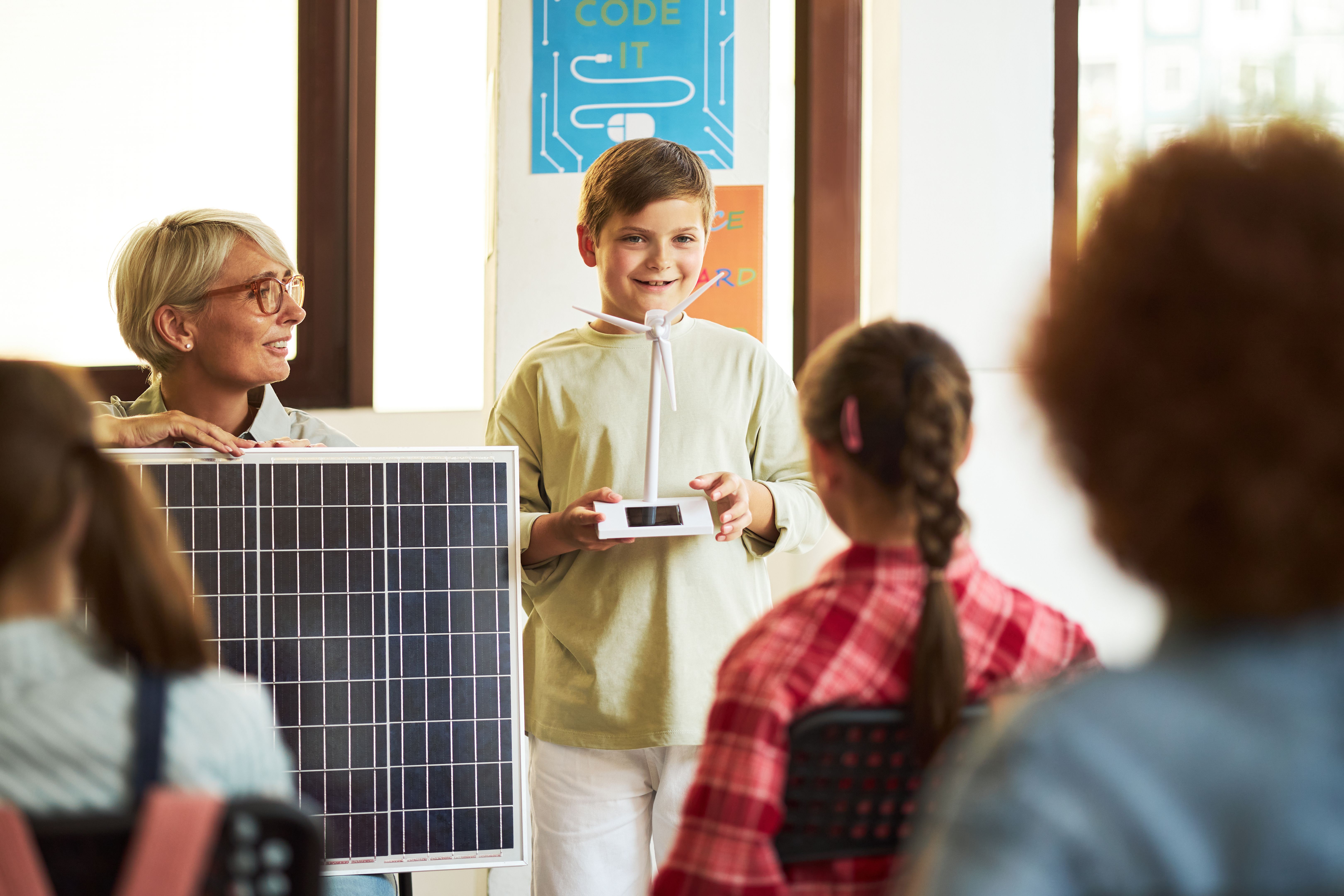
Hands-On Learning
Hands-on activities are an excellent way for children to grasp the concept of solar energy. By physically engaging with materials and seeing real-world applications, kids can better understand how solar power works and why it is important.
Benefits of Solar Power
Understanding the benefits of solar power is crucial for kids. Solar energy is not only renewable but also abundant. It reduces electricity bills and has minimal environmental impact. Teaching these advantages helps children appreciate the value of sustainable energy.
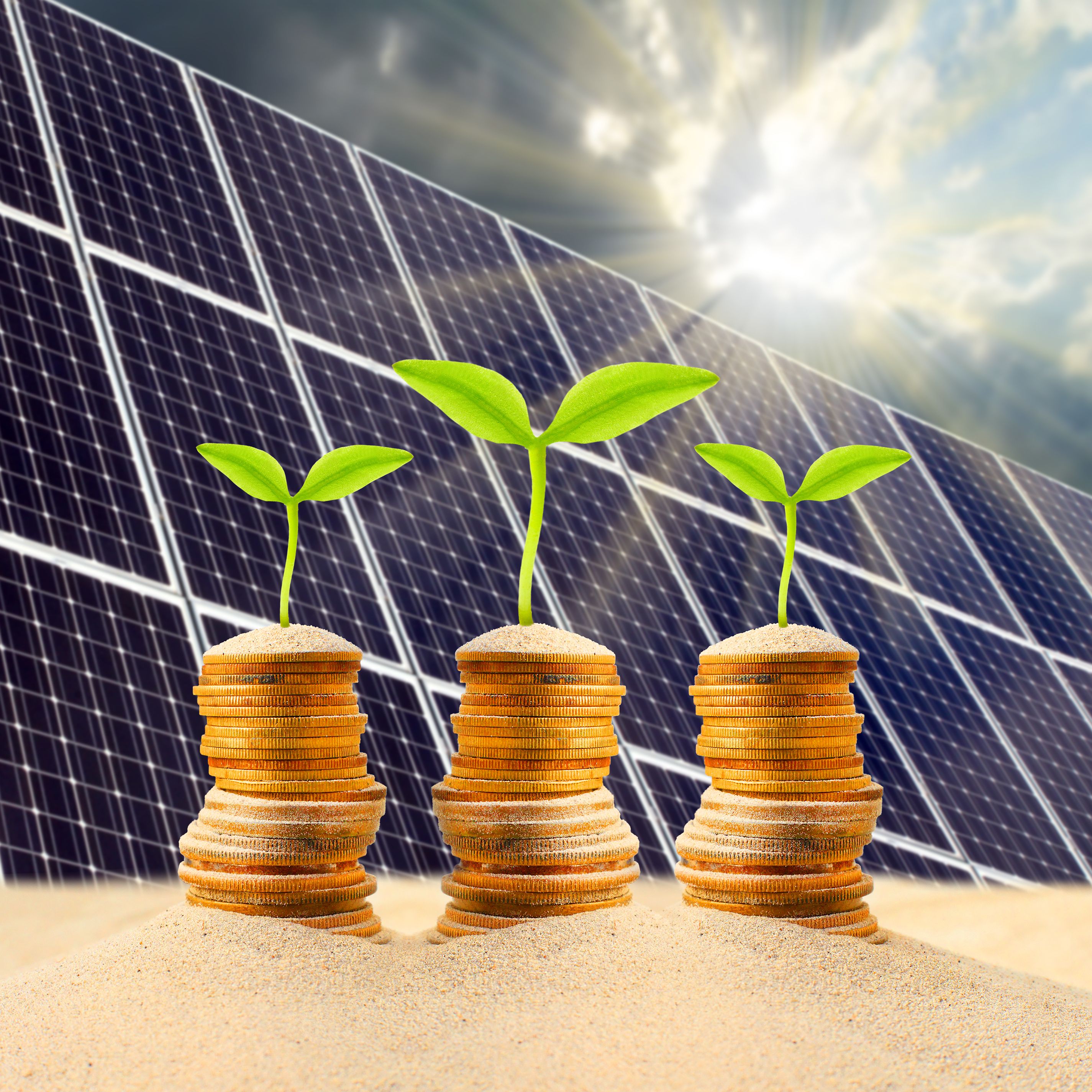
Encouraging a Sustainable Mindset
By fostering an early interest in solar energy, we encourage a sustainable mindset. Kids who learn about the benefits of renewable energy are more likely to make environmentally friendly choices in the future. This knowledge empowers them to contribute to a healthier planet.
Conclusion
Teaching kids about solar power is an investment in a sustainable future. Through engaging activities and practical learning, children can develop an understanding and appreciation for renewable energy. By inspiring the next generation, we pave the way for a greener, more sustainable world.