
Exploring Virtual Reality: A Fun Learning Experience for Kids


Introduction to Virtual Reality for Kids
In recent years, virtual reality (VR) has emerged as a revolutionary technology, transforming the way we experience games, movies, and even education. For children, VR offers a unique and engaging way to learn new concepts while having fun. By immersing kids in virtual environments, VR can enhance their learning experiences significantly.
The Educational Benefits of VR
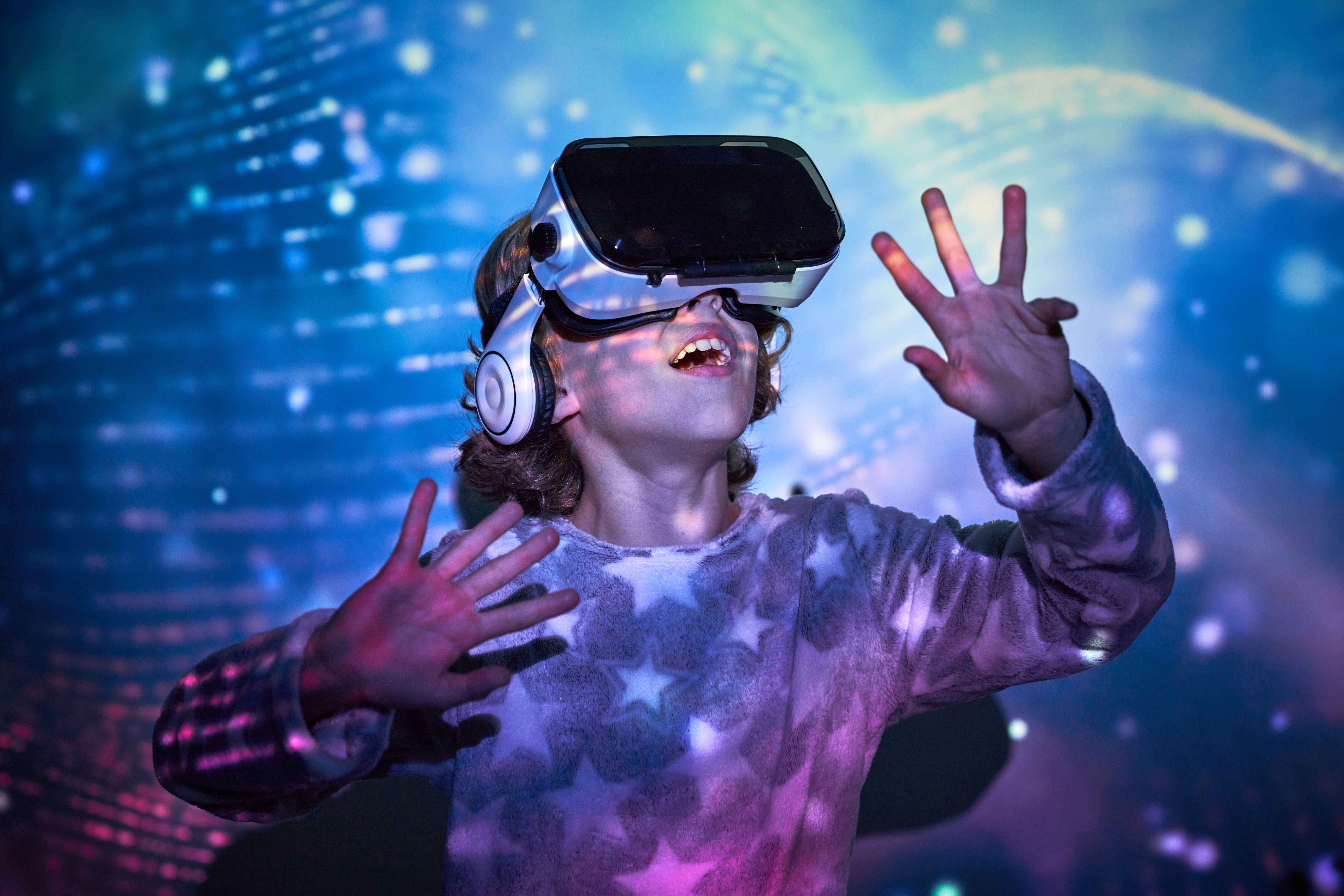
Virtual reality provides an interactive platform that can make learning more engaging. Children can explore historical events, dive into the depths of the ocean, or even travel to outer space, all from the comfort of their classroom or home. This immersive experience can improve retention and understanding, as children are actively participating in their learning journey.
In subjects like science and history, VR can bring abstract concepts to life. Instead of merely reading about the solar system, children can explore planets and stars firsthand. This hands-on approach encourages curiosity and deepens comprehension.
How VR Enhances Creativity
VR is not just about learning facts; it's also a powerful tool for fostering creativity. By allowing kids to build their own virtual worlds or create art in 3D, VR opens up endless possibilities for creative expression. This can be particularly beneficial for children who may struggle with traditional forms of artistic expression.

Virtual Art Studios and Design
With access to virtual art studios, children can experiment with colors, shapes, and textures in ways that would be impossible in the physical world. They can design 3D models, paint in a virtual space, and even collaborate with friends on creative projects.
Developing Skills Through Virtual Play
While VR is an excellent educational tool, it also offers opportunities to develop essential life skills. Many VR games and applications are designed to improve problem-solving abilities, enhance hand-eye coordination, and promote teamwork.
- Problem-solving: Many VR games require players to think critically and solve puzzles, which can boost cognitive development.
- Coordination: Interactive VR experiences can help improve motor skills and spatial awareness.
- Collaboration: Multiplayer VR games encourage teamwork and communication.
Choosing the Right VR Experiences
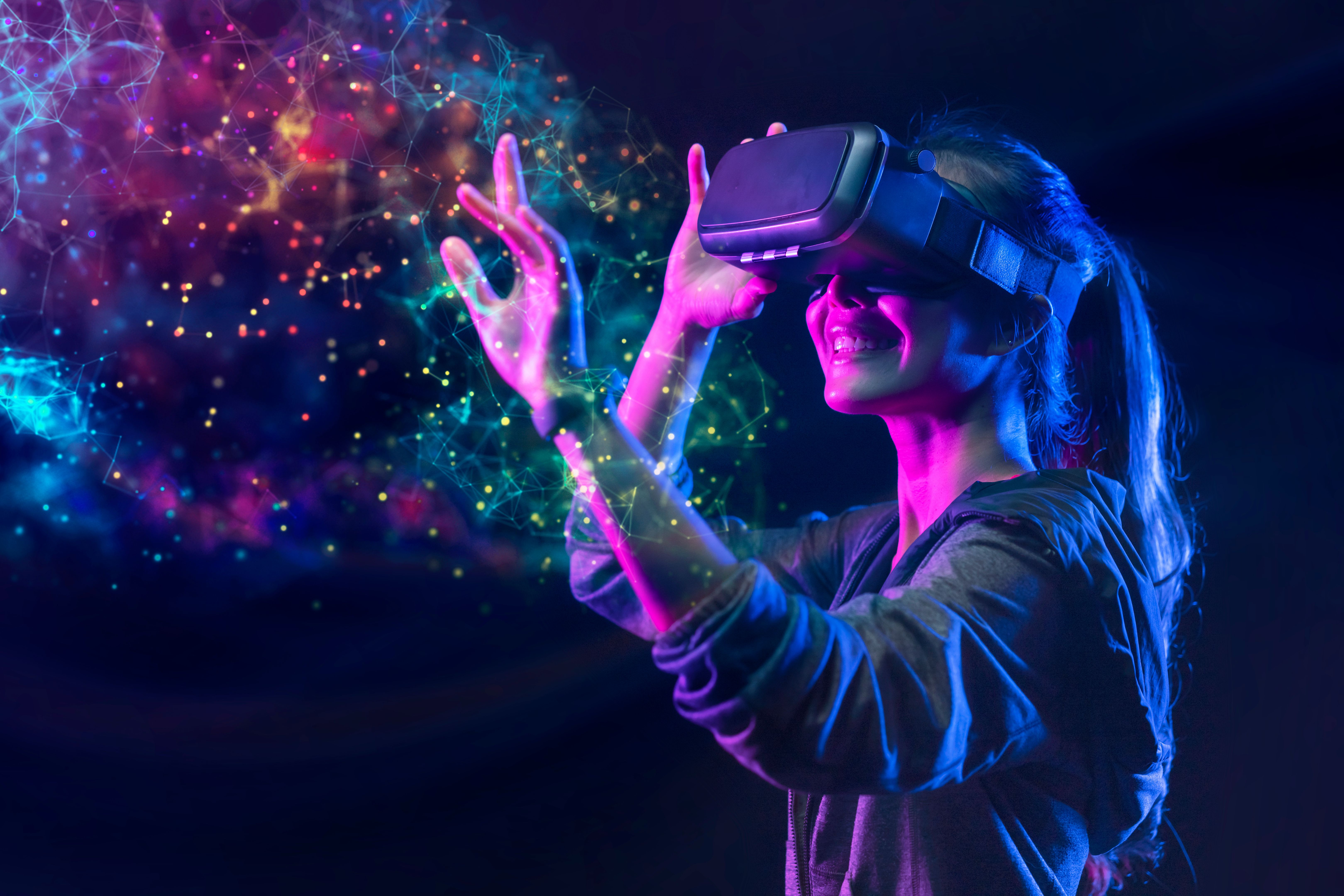
When selecting VR content for children, it's important to choose age-appropriate and educational experiences. Parents and educators should look for applications that align with learning goals and offer safe, enjoyable environments for children to explore.
Guidelines for Parents and Educators
Here are a few tips for ensuring a positive VR experience for kids:
- Check age ratings and content descriptions to ensure suitability.
- Supervise VR sessions to guide learning and address any concerns.
- Set time limits to prevent overuse and ensure a balanced approach to screen time.
Conclusion: Embracing the Future of Learning
As technology continues to evolve, virtual reality is poised to play an even larger role in education. By embracing VR, we can provide children with innovative and exciting ways to learn, grow, and discover the world around them. By integrating VR into educational settings, we are not only enhancing traditional learning methods but also preparing kids for a future where technology plays an integral role in their lives.