
Exploring Virtual Reality: A Child's Perspective


Introduction to Virtual Reality for Kids
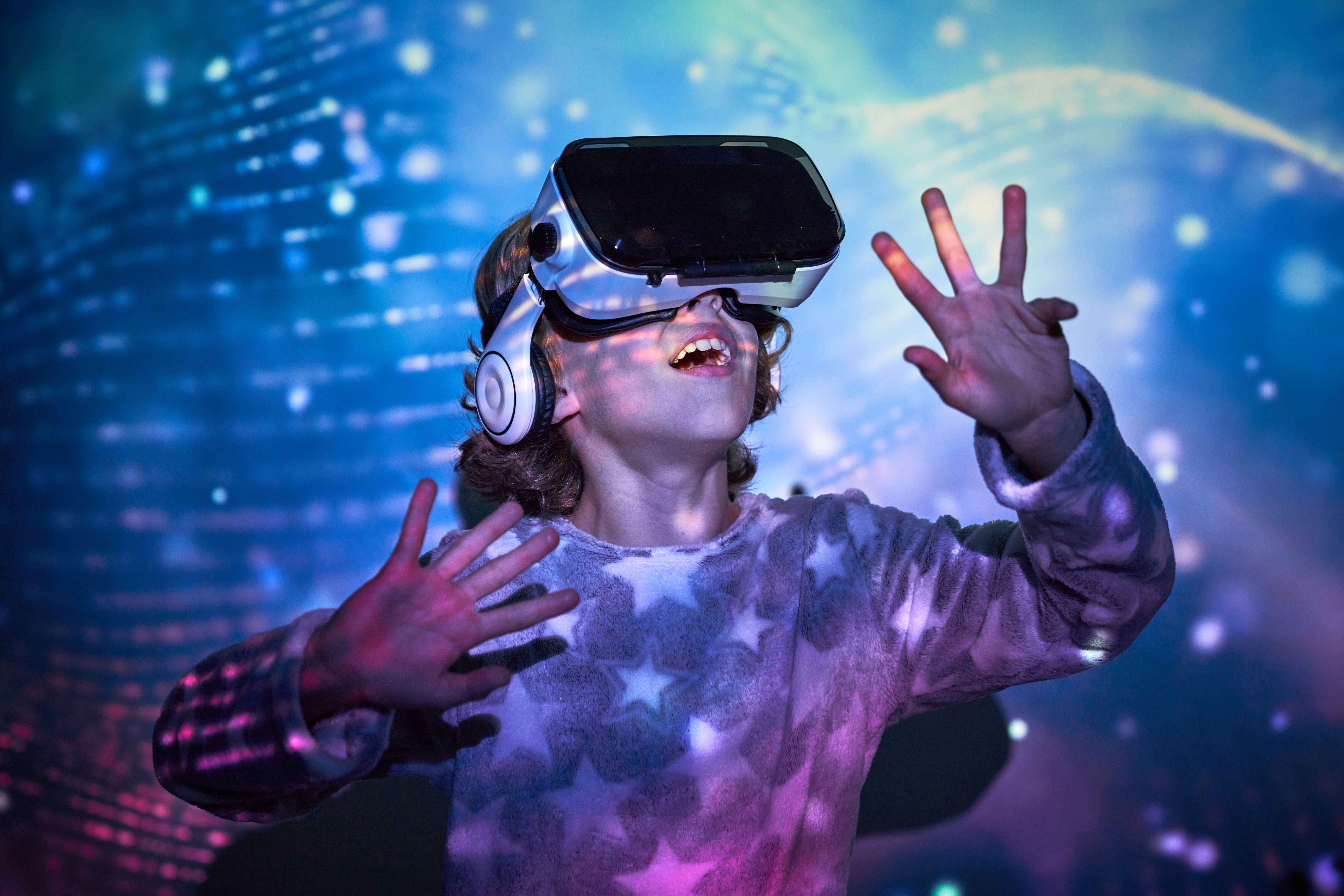
Virtual reality (VR) is no longer a concept reserved for science fiction. Today, it’s becoming increasingly accessible and engaging for children, offering a world of possibilities for learning and play. Through VR, kids can explore distant lands, dive deep into oceans, and even travel to outer space—all from the comfort of their homes.
Parents and educators are beginning to recognize the potential of VR in enhancing a child's educational experience. By making learning interactive and fun, VR can capture a child’s interest in ways traditional methods may not.
The Educational Benefits of VR
One of the most significant advantages of VR is its ability to provide immersive educational experiences. Children can visit historical sites, witness scientific phenomena, or even explore the human body in 3D. This hands-on learning approach can foster curiosity and encourage deeper understanding.
Moreover, VR can cater to different learning styles. Visual learners, for example, can benefit immensely from virtual environments where they can see and interact with objects and concepts in a three-dimensional space.
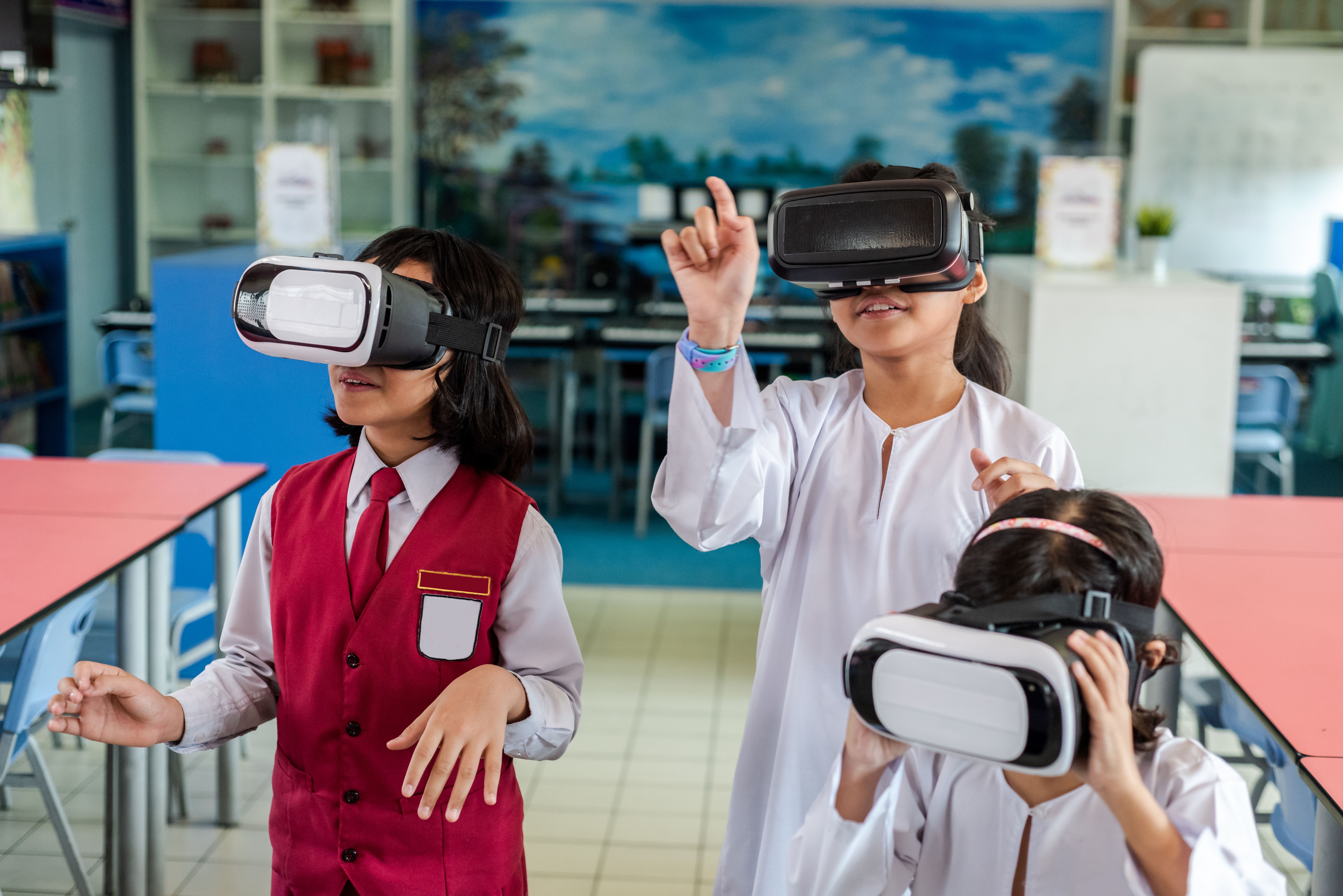
Teachers can also use VR to create engaging lesson plans. By incorporating VR, they can transform a simple geography lesson into an exciting world tour, making education more dynamic and impactful.
Fun and Entertainment in a Virtual World
Beyond education, VR offers endless entertainment possibilities. With VR headsets, children can step into their favorite video games, becoming characters in a story or even creating their own adventures. This level of immersion can make playtime both fun and stimulating.
Parents can find a wide range of age-appropriate VR games and experiences, ensuring that the content is not only entertaining but also safe and suitable for children. Many VR platforms offer parental controls to help oversee the type of content accessible to kids.
Safety Considerations for Parents
As with any technology, it’s crucial for parents to be aware of potential risks. Limiting screen time and ensuring a safe physical environment while using VR are important steps to take. VR can be physically engaging, so a clear area around the user is essential to prevent accidents.
Additionally, choosing content wisely and monitoring a child's interaction with VR can help mitigate potential issues. Parents should encourage breaks and foster discussions about their child's experiences in virtual environments.
The Future of VR for Children
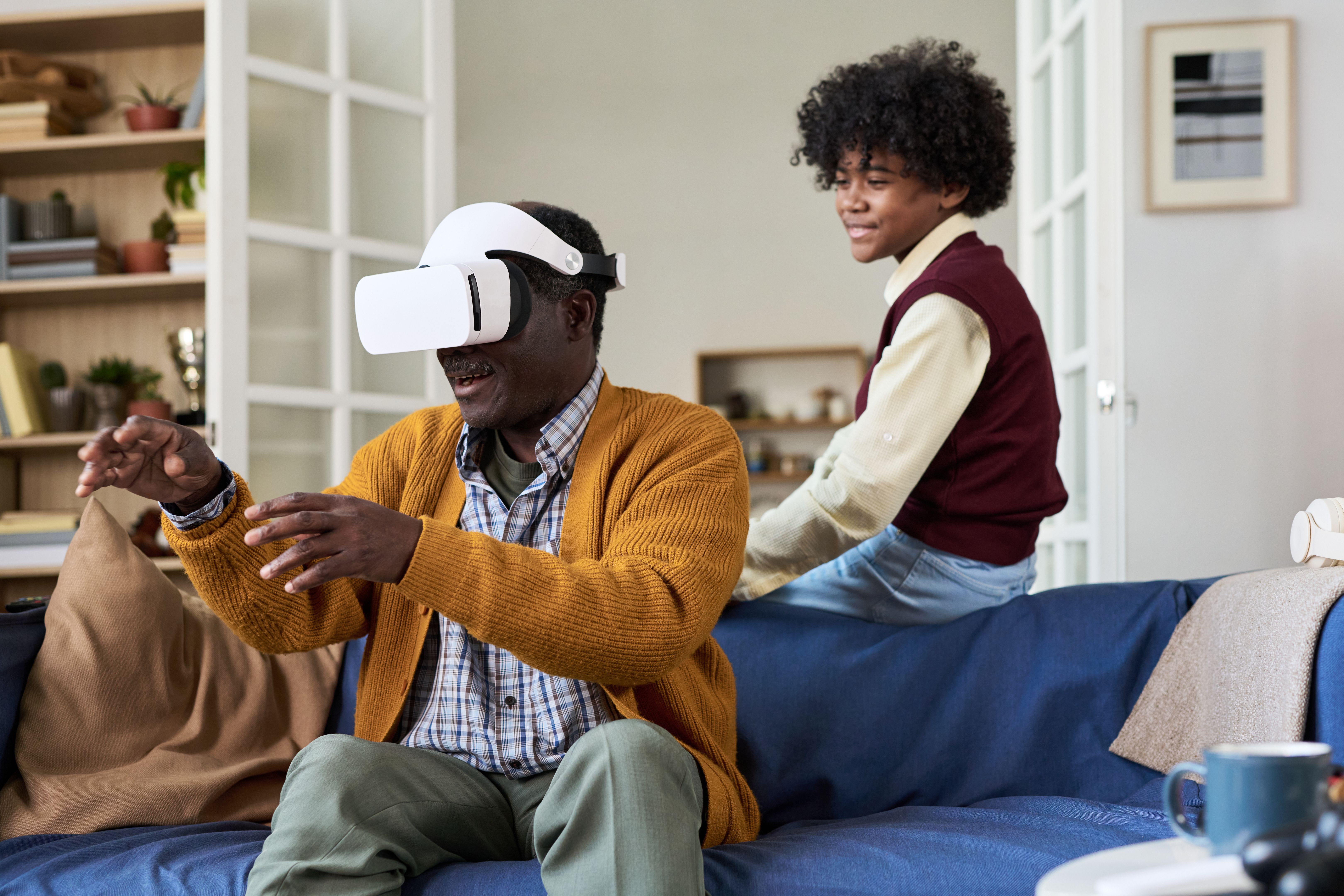
The future of VR in children's lives is promising. As technology advances, the experiences will become more realistic and widely available. The potential for educational growth and new forms of entertainment is vast, offering exciting opportunities for children everywhere.
With careful consideration and responsible usage, virtual reality can be a powerful tool that enriches a child's development, making learning as thrilling as it is informative.