
Exploring Advanced Technology Courses for Kids: What Parents Need to Know

Understanding the Importance of Technology Education
In today's rapidly advancing world, technology plays a crucial role in shaping our future. Introducing kids to advanced technology courses can significantly enhance their problem-solving skills, creativity, and critical thinking. As a parent, understanding the benefits of these courses can help you make informed decisions about your child's education.
Modern education systems are increasingly integrating technology into the curriculum. From coding to robotics, these courses are designed to equip children with the skills needed to thrive in the digital age. It's essential for parents to recognize the value of these skills and the opportunities they present.

Coding for Kids: A Gateway to Future Careers
Coding is often referred to as the new literacy. Teaching kids to code not only helps them understand how technology works but also prepares them for a wide range of career opportunities. Many institutions offer beginner-friendly coding classes that focus on fun, interactive learning experiences.
Parents should look for courses that use platforms like Scratch or Python to engage young minds. These programs often include games and challenges that make learning enjoyable and effective.
Choosing the Right Coding Course
When selecting a coding course, consider the age and interest of your child. Some courses are designed for younger children, while others cater to teenagers. Ensure the course content is age-appropriate and aligns with your child's interests.

Exploring Robotics: Building the Innovators of Tomorrow
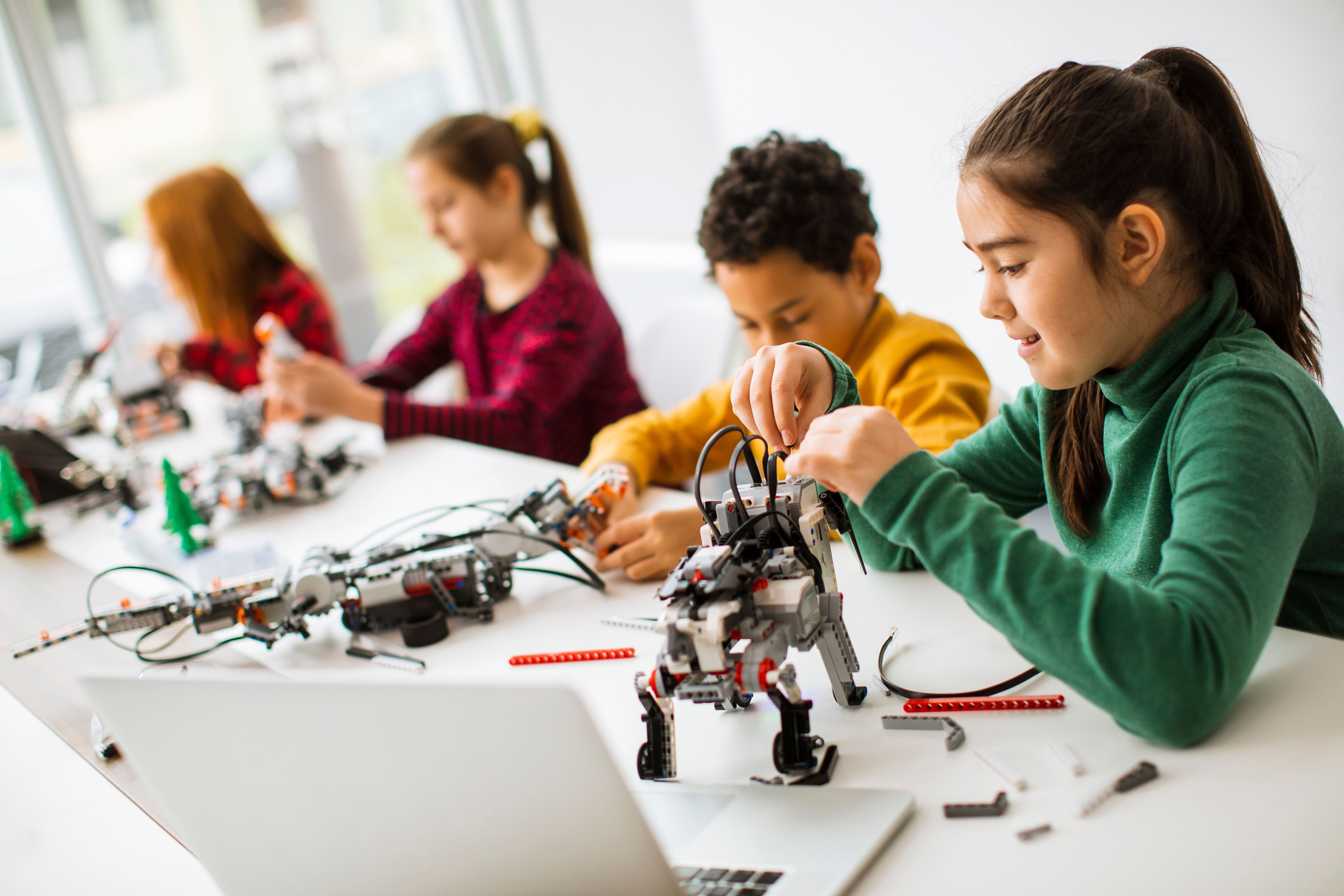
Robotics courses offer hands-on experience that can spark a child's interest in engineering and technology. These courses teach kids how to design, build, and program robots, fostering creativity and teamwork.
Parents should seek programs that provide access to tools like LEGO Mindstorms or Arduino kits. These resources make learning more tangible and exciting for children.
Benefits of Robotics Education
Engaging in robotics helps children develop essential skills such as problem-solving, analytical thinking, and collaboration. These skills are invaluable, not only in technology-related fields but in everyday life as well.
The Role of Artificial Intelligence in Education
Artificial Intelligence (AI) is becoming increasingly prevalent in various industries. Educating children about AI helps them understand its applications and potential impact on society. Courses focused on AI introduce concepts like machine learning and data analysis in a simplified manner.
Parents interested in AI courses should look for programs that offer interactive projects, allowing children to experiment and learn through real-world applications.
Understanding AI Concepts
Introducing AI concepts at a young age can demystify the technology and remove any apprehension children might have about its complexity. This foundation can inspire them to pursue further studies in the field.

Online vs. In-Person Courses: What to Consider
When choosing between online and in-person technology courses, parents should consider factors such as flexibility, access to resources, and learning style preferences. Online courses offer convenience and a wide range of options, while in-person classes provide direct interaction and hands-on experience.
Evaluate your child's learning style and schedule to determine which format suits them best. Both options have their advantages, and the choice should align with your child's needs and your family's circumstances.
Final Thoughts on Technology Education for Kids
Advanced technology courses are an investment in your child's future. By equipping them with essential skills, you prepare them for a world where technology is integral to success. Explore different courses, engage with educators, and support your child's learning journey to ensure they benefit from these opportunities.